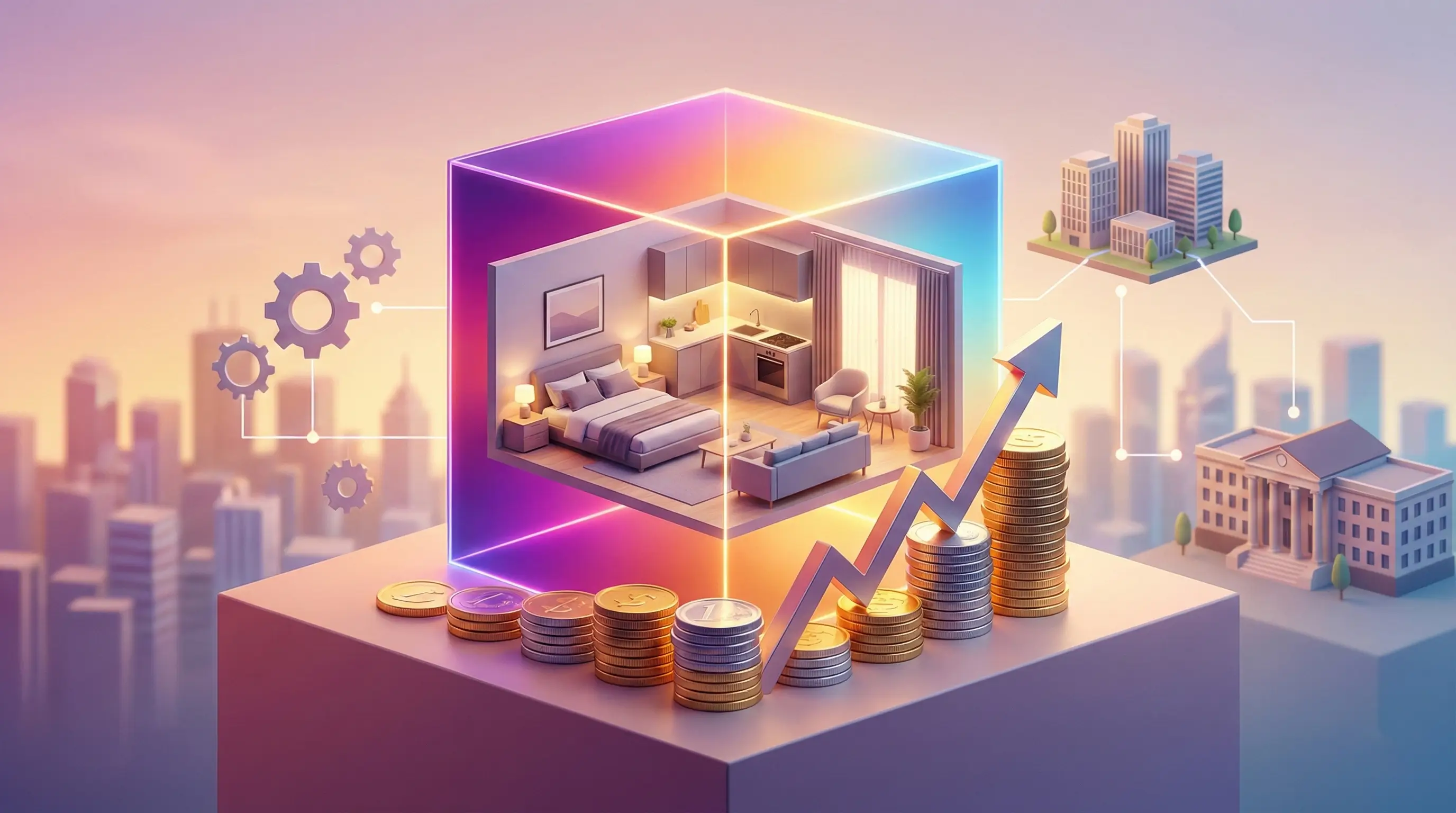
A few years ago, choosing a home was mostly about one question: How big is it? Today, the first question has changed to something far more practical: how easy will life feel here, every single day?
That shift is exactly why mixed-use developments are becoming the preferred choice for many homebuyers and investors.
Imagine a typical weekday. You step out to pick up a coffee, grab essentials, maybe squeeze in a quick workout, and still make it to work on time, or open your laptop in a quiet corner without feeling stuck in a cramped routine. Now imagine doing all of that without driving across town, without searching for parking, and without wasting your best hours in traffic. That’s the promise of a mixed-use development: a place designed to bring everyday life closer, smoother, and more connected.
What is a mixed-use development?
A mixed-use development is a thoughtfully planned destination that combines residential spaces (homes) with commercial and lifestyle spaces, like retail shops, offices, cafés, convenience services, and sometimes even community zones, within the same integrated environment.
It’s not just “a building with shops below". The better examples are designed like a small ecosystem where different parts of life support each other. For a group like Sarvottam World, this concept naturally aligns with the idea of building environments that serve both living and livelihood, spaces that feel relevant to how people actually live today.
Why do people prefer it now?
People prefer mixed-use developments now because everyday life has become faster, more mobile, and more time-sensitive. With longer commutes, hybrid work routines, and rising expectations from a home, people are choosing places that reduce daily effort.
1) Convenience has become the new luxury.
People are busier, schedules are tighter, and time is more valuable than ever. When daily needs are close by, like groceries, quick meals, services, and workspaces, life becomes lighter. Mixed-use living reduces the constant “out-and-back” trips that eat up energy and weekends.
2) Work and life have blended.
Hybrid work has changed how people view homes. A home isn’t just where you sleep anymore; it’s also where you take calls, think, create, and sometimes even run a small business. Mixed-use developments support this new lifestyle because they’re built with movement in mind: a change of scene, nearby services, and often better everyday infrastructure.
3) Safer, more active surroundings.
When an area stays active through the day with residents, visitors, shoppers, and office-goers, it often feels more “lived in". There’s natural activity, more eyes on the street, and a sense of place rather than isolation. For many families, working professionals, and even parents buying for children, this adds comfort.
4) Everything feels more planned.
One of the quiet reasons people prefer mixed-use is that it feels more organised. Roads, access points, parking, walkways, and common amenities are usually designed as a cohesive plan instead of growing randomly over time. That planning translates into smoother day-to-day living.
Why do investors like mixed-use developments?
Mixed-use developments typically attract a wider range of people: tenants looking for convenience, professionals who want shorter commutes, and residents who prefer community-style living. That variety can support steady rental demand, especially for practical formats like studios or compact homes. For investors, the appeal is simple: when a place is easy to live in, it’s often easier to rent out.
Key Takeaways
At its core, mixed-use is about one thing: less friction.
Less time spent commuting. Less hassle managing errands. Less dependence on long drives for basic needs. More room for routine, comfort, and balance. And in a world where people want both growth and peace of mind, that’s a powerful value.
A home isn’t just square feet anymore. It’s the life built around it. Mixed-use developments work because they understand that truth and design for it.